We eat with our eyes first
Before someone visits a restaurant, orders from a menu, buys a product or chooses where to eat, there's a good chance they've already seen the food online.
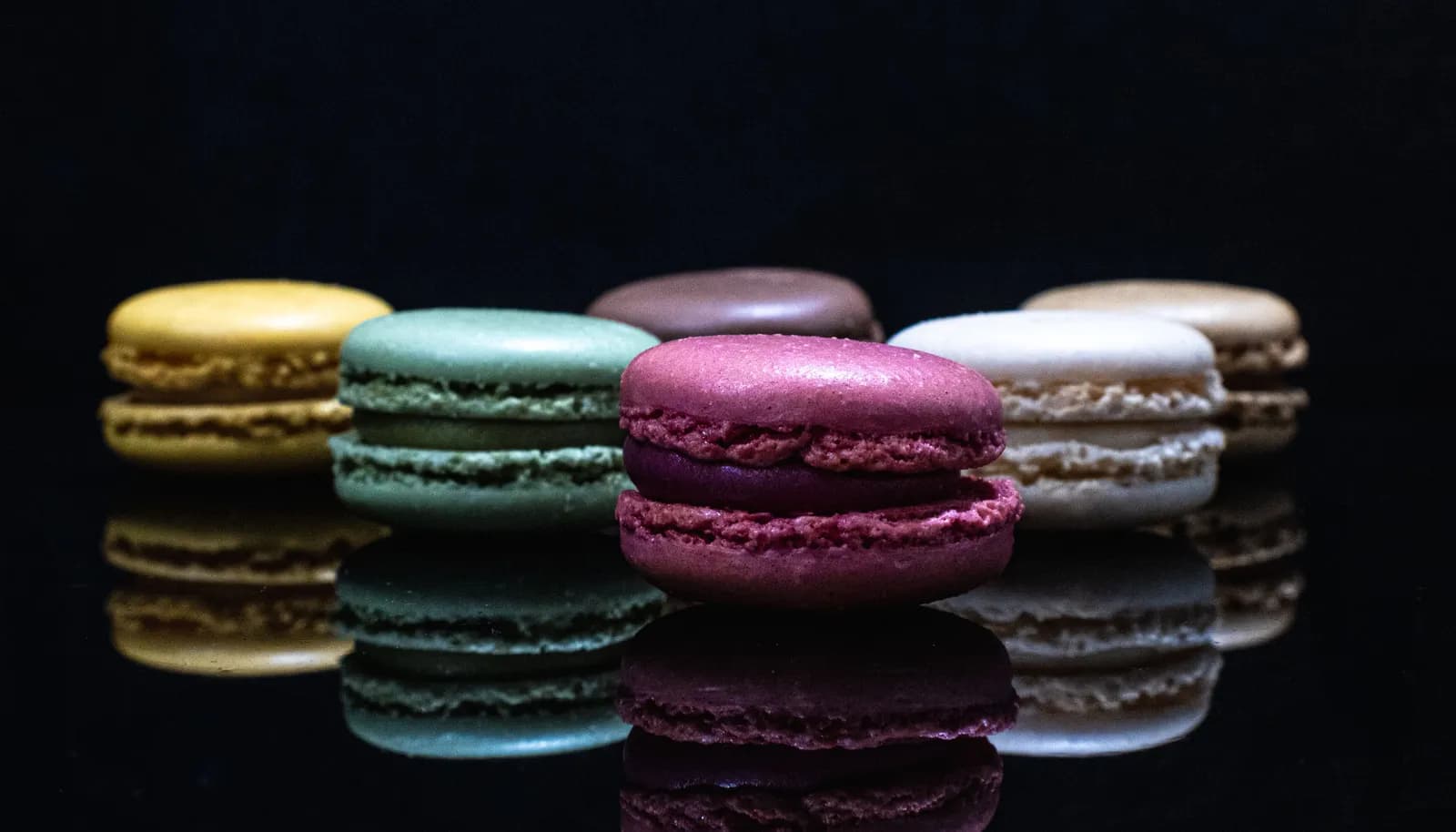
Photography is often the first impression a potential customer has of a food business. And while great food should always speak for itself, the photograph needs to make someone stop scrolling, take notice and want to know more.
As a food photographer, this is something I think about with every shoot.
Here are five things I believe can make food photography more effective.
1. Good lighting
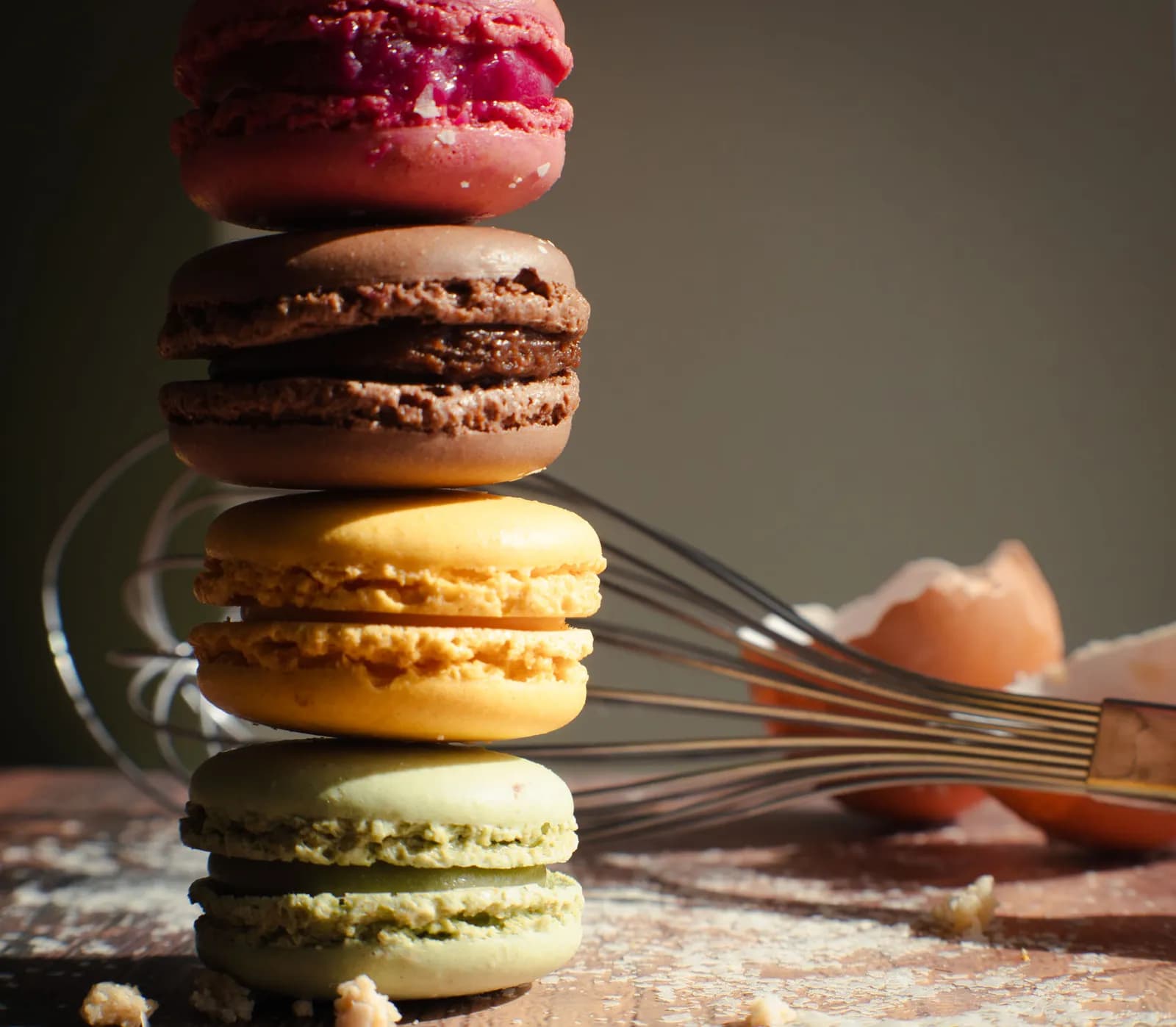
Good lighting can completely change the way food looks.
It can make ingredients look fresh, bring out colour and texture, and create the feeling you want around a dish or product. Whether you're photographing a beautifully plated restaurant dish, freshly baked bread or a food product, the aim is to make it look as appealing as it does in real life.
You don't necessarily need complicated equipment either. Understanding where your light is coming from and how it falls across the food can make a huge difference.
2. Show the texture
Food photography should make you want to reach through the screen.
Think about what makes the food appealing. Is it the crispness of a pastry? The creaminess of a dessert? The glossy sauce on a dish? The crumb of freshly baked bread?
Showing those details gives the photograph more impact and helps the viewer imagine what the food actually tastes like.
3. Create a story
A great food photograph doesn't always have to be a simple picture of a finished dish.
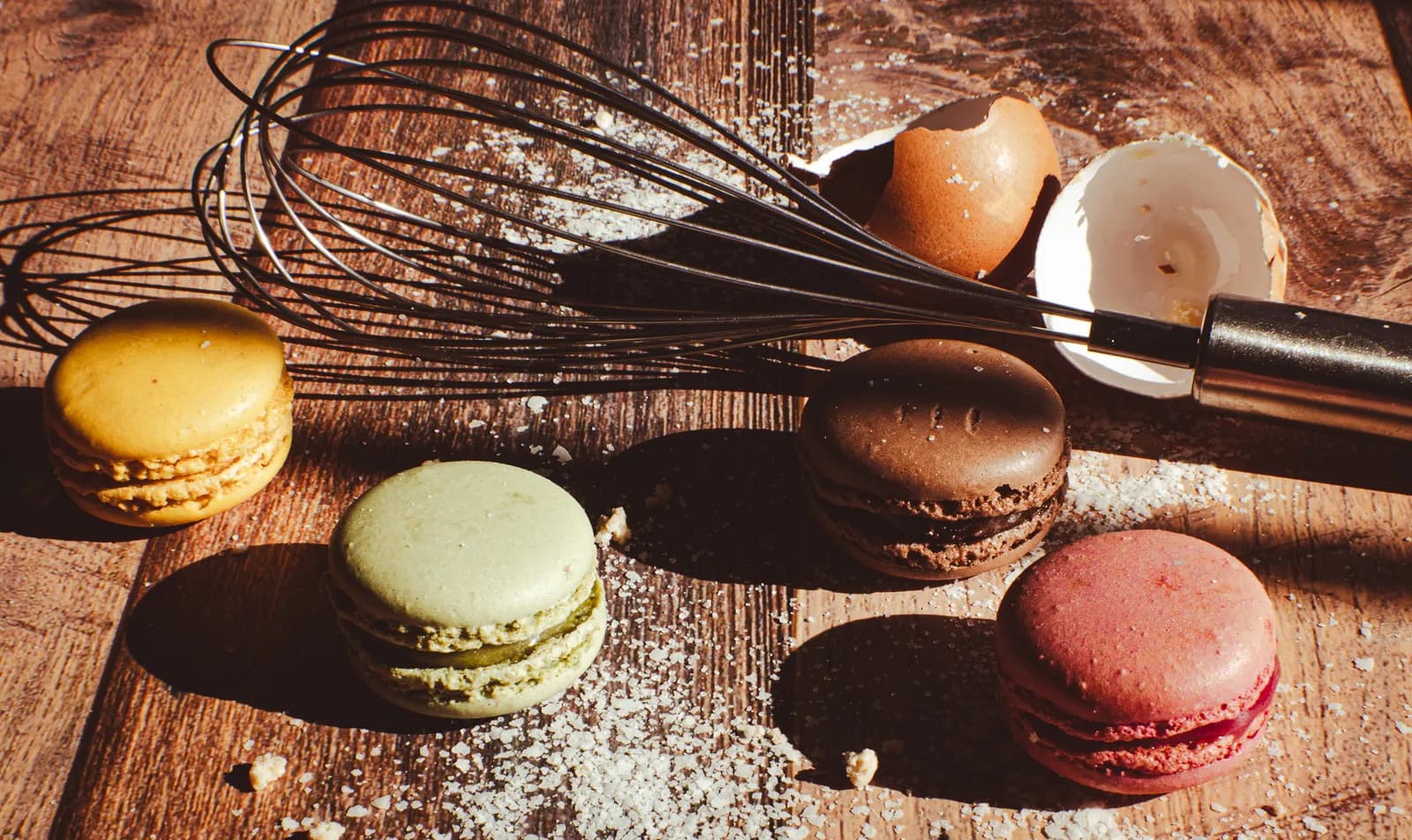
Think about the story behind the food. Show the ingredients, the preparation, the hands making it or the environment where it's served.
For a restaurant, that might mean capturing the atmosphere as well as the food. For a food producer, it could be the ingredients, the people behind the business or the process involved in making the product.
These details help customers connect with the business, rather than simply seeing a photograph of something being sold.
4. Be consistent
Your photography should feel like your brand.
If your website, social media and marketing materials all use completely different styles of photography, it can make a business feel less consistent.
Think about the colours, lighting, backgrounds and overall feeling you want your images to create. Consistent photography helps people recognise your business and builds a stronger visual identity.
5. Build a content library
One of the biggest benefits of professional food photography is having a collection of images you can actually use.
A single shoot can provide photographs for your website, social media, menus, brochures, newsletters, advertising and future campaigns.
Instead of constantly trying to find something to post, you have a bank of professional images ready to use when you need them.
Your food deserves to look as good as it tastes
For food businesses across Swansea and South Wales, photography can be a powerful part of your marketing.
Whether you're a restaurant, café, bakery or food producer, your photographs aren't simply there to show people what you sell. They can help tell your story, communicate the quality of your food and, most importantly, make people want to try it.
So next time you're choosing a photograph for your website or social media, ask yourself:
Does this image simply show my food, or does it make someone want to taste it?